
"Corvus Coffee"
200 article(s) found
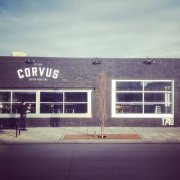
Coffee shop appreciates Corvus Coffee in Denver, USA
Four-year-old Corvus Coffee has opened its new roastery, tasting lab and retail bar at 1740 S. Broadway in Denver, after outgrowing its original roastery and small retail space less than half a mile away in the up-and-coming craft-heavy Pl

How about Brazilian Minas balanced coffee beans? how about Brazilian Minas coffee acid? why is it not bitter?
For more information on coffee beans, please follow the coffee workshop (Wechat official account cafe_style) Andradas sul de Minas Coffee comes from Fazenda Santa Clara, a 130acre farm located in Andradas, Minas Gerais, Brazil. Fazenda Santa Clara was founded by the Basso family, who started in the 1930s

Introduction to Hasunda Coffee Garden in Ecuador
St. Cristobal is a larger island in the Galapagos archipelago. At 410m above sea level, there is a small lake called El.Junco, which forms streams along the rocks and volcanic rocks on the southern slope of the island. Mineral-rich fresh water moistens the land of St. Cristobal, keeping the soil moist and fertile. For here.

Hassanda Coffee Manor, Ecuador introduces San Cristobal production area
St. Cristobal is a larger island in the Galapagos archipelago. At 410m above sea level, there is a small lake called El.Junco, which forms streams along the rocks and volcanic rocks on the southern slope of the island. Mineral-rich fresh water moistens the land of St. Cristobal, keeping the soil moist and fertile. For here.

Balanced acidity and aromatic Ecuadorian Coffee Santa Cruz Manor
In 1875, 340 years after Freitoma de Belanga discovered the island, an indigenous man named Kovos came to St. Cristobal Island, where he established the Hasunda Coffee Garden and planted about 100 hectares of Arabian bourbon coffee trees. Since the plantation is located between 140m and 275m above sea level, the climate is equivalent to that of 915m ~ 1830 m in the interior.

Introduction of Ecuadorian Coffee Flavor Hasunda Coffee Garden in Ecuador Coffee producing area
St. Cristobal is a larger island in the Galapagos archipelago. At 410m above sea level, there is a small lake called El.Junco, which forms streams along the rocks and volcanic rocks on the southern slope of the island. Mineral-rich fresh water moistens the land of St. Cristobal, keeping the soil moist and fertile. For here.

Introduction to Santa Cruz Manor in Ecuador Coffee Manor
St. Cristobal is a larger island in the Galapagos archipelago. At 410m above sea level, there is a small lake called El.Junco, which forms streams along the rocks and volcanic rocks on the southern slope of the island. Mineral-rich fresh water moistens the land of St. Cristobal, keeping the soil moist and fertile. For here.

Unique aroma of Ecuadorian coffee Arabica coffee tree
St. Cristobal is a larger island in the Galapagos archipelago. At 410m above sea level, there is a small lake called El.Junco, which forms streams along the rocks and volcanic rocks on the southern slope of the island. Mineral-rich fresh water moistens the land of St. Cristobal, keeping the soil moist and fertile. For here.

Introduction to the flavor and taste characteristics of Ecuadorian coffee in San Cristobal
St. Cristobal is a larger island in the Galapagos archipelago. At 410m above sea level, there is a small lake called El.Junco, which forms streams along the rocks and volcanic rocks on the southern slope of the island. Mineral-rich fresh water moistens the land of St. Cristobal, keeping the soil moist and fertile. For here.

Introduction to the characteristics of Ecuadorian Coffee in the Manor producing area
St. Cristobal is a larger island in the Galapagos archipelago. At 410m above sea level, there is a small lake called El.Junco, which forms streams along the rocks and volcanic rocks on the southern slope of the island. Mineral-rich fresh water moistens the land of St. Cristobal, keeping the soil moist and fertile. For here.

Ecuadorian Coffee Flavor taste Manor production area introduces Ecuadorian coffee boutique coffee beans
St. Cristobal is a larger island in the Galapagos archipelago. At 410m above sea level, there is a small lake called El.Junco, which forms streams along the rocks and volcanic rocks on the southern slope of the island. Mineral-rich fresh water moistens the land of St. Cristobal, keeping the soil moist and fertile. For here.

Ecuadorian coffee flavor introduces the characteristics of Ecuadorian coffee beans in Santa Cruz Manor.
St. Cristobal is a larger island in the Galapagos archipelago. At 410m above sea level, there is a small lake called El.Junco, which forms streams along the rocks and volcanic rocks on the southern slope of the island. Mineral-rich fresh water moistens the land of St. Cristobal, keeping the soil moist and fertile. For here.

Introduction to Galapagos Coffee producing area
Because of the unique role of the Galapagos Islands in the course of history, the Government of Ecuador has designated the Galapagos Islands as a national park, the land is no longer allowed to be reclaimed as new agricultural land, and the introduction and use of chemical fertilizers, pesticides, herbicides and other chemicals are strictly prohibited, so coffee produced in the Galapagos Islands is recognized as a natural product. Ecuador ES Coffee South Ecuador

Introduction to the characteristics of Ecuadorian coffee beans in the producing area of Ecuadorian coffee
St. Cristobal is a larger island in the Galapagos archipelago. At 410m above sea level, there is a small lake called El.Junco, which forms streams along the rocks and volcanic rocks on the southern slope of the island. Mineral-rich fresh water moistens the land of St. Cristobal, keeping the soil moist and fertile. For here.

Introduction to Hassanda Coffee Garden in Ecuador Coffee Manor
When Thomas and the crew landed on the island, they were frantically looking for water and were so thirsty that they squeezed juice from the fat leaves of the cactus to drink. At last a source of water was found in a rocky gully. Thomas attributed it to the gift of God, because it was good Friday, and they had piously celebrated mass before they set out in search of water. But Thomas will never

Introduction of Ecuadorian Coffee beans in Santa Cruz Manor
When Thomas and the crew landed on the island, they were frantically looking for water and were so thirsty that they squeezed juice from the fat leaves of the cactus to drink. At last a source of water was found in a rocky gully. Thomas attributed it to the gift of God, because it was good Friday, and they had piously celebrated mass before they set out in search of water. But Thomas will never
Introduction to Hasunda Coffee Garden in Ecuador
In 1875, 340 years after Freitoma de Belanga discovered the island, an indigenous man named Kovos came to St. Cristobal Island, where he established the Hasunda Coffee Garden and planted about 100 hectares of Arabian bourbon coffee trees. Since the plantation is located between 140m and 275m above sea level, the climate is equivalent to that of 915m ~ 1830 m in the interior.

Ecuadorian Coffee Grind Characteristics Variety Producing Area Flavor Description Taste Manor Introduction
When Thomas and his crew landed on the island, they frantically searched for water and were so thirsty that they squeezed juice from the fat petals of cacti to drink. Finally found water in a ravine in a rock. Thomas attributed it to God because it was Good Friday and they had celebrated Mass piously before setting out in search of water. But Thomas would never

Ecuador Coffee Galapagos ArchipelagoIntroduction Fine Coffee
When Thomas and his crew landed on the island, they frantically searched for water and were so thirsty that they squeezed juice from the fat petals of cacti to drink. Finally found water in a ravine in a rock. Thomas attributed it to God because it was Good Friday and they had celebrated Mass piously before setting out in search of water. But Thomas would never